Headlines about the environment can feel overwhelming: rising temperatures, plastic in the oceans, vanishing forests. Yet behind each headline is a chain of causes that can be understood and, in many cases, addressed. This article looks at the main global environmental challenges, why they happen and what is already working.
Climate change and its everyday effects
The climate is warming mainly because burning coal, oil and gas releases greenhouse gases that trap heat. The effects are already visible: heavier rainfall in some regions, longer droughts in others, and rising sea levels along coasts.
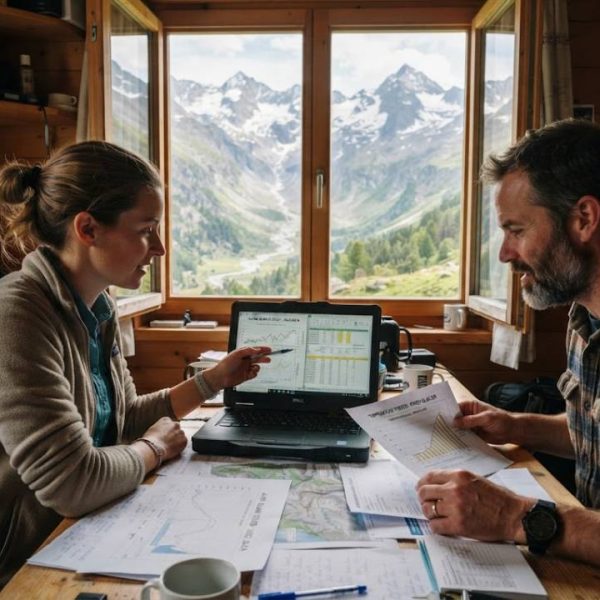
The United Nations Environment Programme tracks these trends and publishes reports that governments use to set targets.
Most environmental problems are connected, so solving one often helps with several others.
Pollution of air, water and soil
Traffic, industry and heating create air pollution that harms lungs and shortens lives. Fertilizers and untreated waste enter rivers and reach the sea, where they feed algae blooms that remove oxygen from the water.
Plastic is a particularly visible example. It breaks into tiny particles that travel through food chains, and cleaning them up is far harder than preventing them in the first place.
Losing forests and habitats
Forests store carbon, regulate water and shelter much of the planet's wildlife. Clearing land for farms, roads and cities removes these benefits. When habitats shrink, species lose food and breeding grounds, and some disappear altogether.
Wetlands, grasslands and coral reefs face similar pressure. Protecting them often costs less than repairing the damage later.
Water scarcity
Fresh water is unevenly spread. Growing cities, irrigation and changing rainfall patterns leave many regions short of clean water for part of the year.
Better pipes, drip irrigation and wastewater recycling can cut waste significantly. Local solutions, such as rainwater harvesting, also help communities cope with dry periods.
The roots of the problem
Behind these challenges sit a few shared drivers: fast population growth in some regions, high consumption in others, energy systems based on fossil fuels and food systems that waste a third of what they produce.
Understanding these roots helps avoid simple blame. Change usually needs action from governments, companies and ordinary households at the same time.
Why shared language matters
Environmental work crosses borders. Permits, impact assessments, research papers and community guidelines are written in many languages, and a small mistranslation can change a legal duty or a safety limit. When organizations share technical material with partners abroad, they often rely on German translation services to keep terms precise.
The same applies to commercial paperwork, such as sustainability reports and supplier documents. This guide to business document translation shows how companies keep such files consistent across markets.
Solutions that are already working
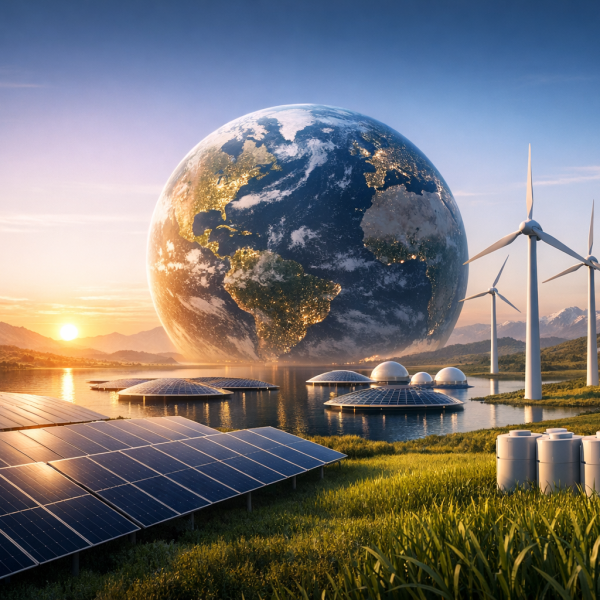
Renewable energy has grown quickly, and in many places solar and wind power are now among the cheapest ways to generate electricity. Electric public transport, better building insulation and smarter grids add to the progress.
On land, restoring forests, protecting wetlands and farming with fewer chemicals bring back wildlife and store carbon. Marine protected areas let fish stocks recover, which benefits fishing communities as well.
What individuals can do
Personal choices will not solve everything, but they matter, especially when many people act together.
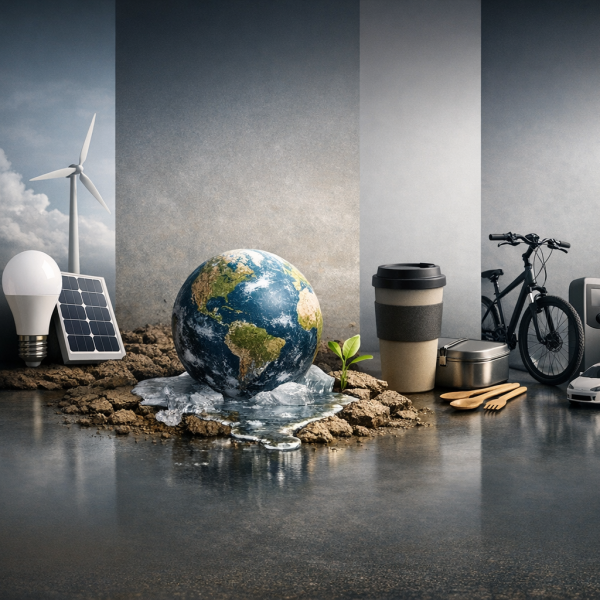
Use less energy at home by improving insulation and switching off unused devices. Choose public transport, cycling or walking for short trips. Reduce food waste by planning meals and storing food well. Buy durable items and repair them when possible. Support local conservation groups through donations or volunteering.
Voting, asking companies about their practices and sharing reliable information are also forms of action.
The role of education
Schools, museums and community groups help people understand how ecosystems work and why they matter. Children who learn to monitor a local stream or plant a school garden often carry that interest into adulthood.
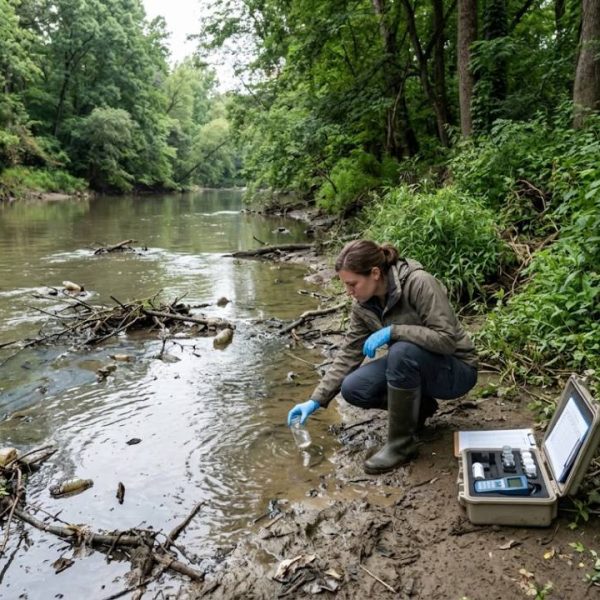
Citizen science projects invite anyone to record birds, insects or water quality, and the data they collect supports real research.
Reading environmental news wisely
Not every claim is accurate. Look for the original study, check who funded it and see whether independent experts agree. Be careful with promises of simple fixes, and with predictions stated with too much certainty.
Good reports explain both the problem and the possible solutions, and they admit what is still unknown.
Business and policy choices
Companies shape the environment through what they make, how they ship it and how they dispose of it. Reporting emissions, redesigning packaging and choosing local suppliers all reduce impact. Governments set the rules that make these choices easier, from carbon pricing to recycling standards, and clear, stable rules help businesses plan ahead.
Looking ahead
The next decade will bring both pressure and opportunity. Cleaner technology is becoming cheaper, and public awareness is higher than ever. What remains is the pace of change and a fair sharing of costs and benefits between countries.
Understanding the causes is the first step. From there, steady and practical action, repeated by many people, makes the difference.